Our Approach
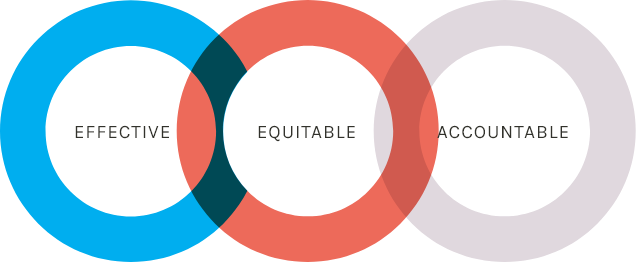
At the Science of Implementation Initiative, we use a data-driven methodology to reimagine the implementation of official development assistance so that it is more effective, equitable and accountable.
Our guiding tenet is that dramatic reduction of poverty and disease in the poorest countries is possible when you invest in creating durable, high quality and effective public systems to deliver social services that reach all people.
How do we apply the science of implementation to official development assistance to the poorest countries to most effectively address social and economic conditions?
We use three data-driven methods.
1.
Question long-held assumptions and confident claims about what works and what doesn’t work in development.
QUESTION ASSUMPTIONS
2.
Track donor funding during and following crisis situations (for example, the 2010 earthquake in Haiti, the 2014 Ebola outbreak in West Africa and the 2020 global COVID-19 pandemic).
TRACK DONOR FUNDING
3.
Conduct research and analysis of the gap between policy and implementation of aid effectiveness principles as it relates to global development investments.
CONDUCT RESEARCH
“If we are charting our fates as citizens of a crowded, fragile planet, then any honest assessment must conclude that progress has been made, whether in terms of child survival or literacy or access to basic sanitation. Still, profound social disparities exist; so too does extreme poverty. And the prospects of those living on less than two dollars a day remain grim.
With the stakes as high as they are, the need to challenge the assumptions we make about aid is paramount. Myths and mystifications about aid persist. Whether we speak of feedback loops or best practices — or, perhaps, simply better practices — we have a long way to go.”
Paul Farmer, M.D., Ph. D.