
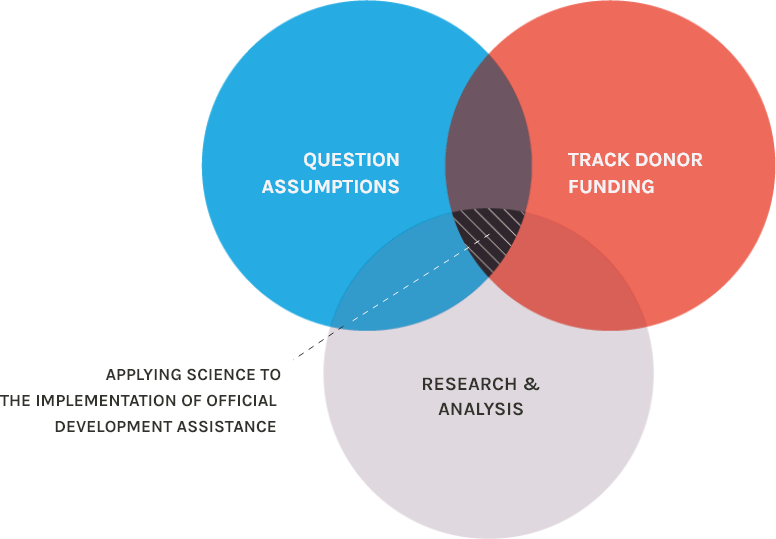
At the Science of Implementation Initiative, we believe official development assistance to the poorest countries is most transformative when its implementation is treated as a science.
We have applied a data-driven methodology to determine the most effective approach to address poverty and disease.
“We need to challenge common assumptions about what is considered sustainable and cost-effective in fragile settings. These terms, although created with the best of intentions, have sometimes become a reason for policymakers to discount complex intervention. Rather than serving the poor, these development standards have at times become a blunt instrument used against them.”
Paul Farmer, M.D., Ph. D.
What does the science say about how to implement official development assistance most effectively in the poorest countries to address poverty and disease?
Why Does It Matter?
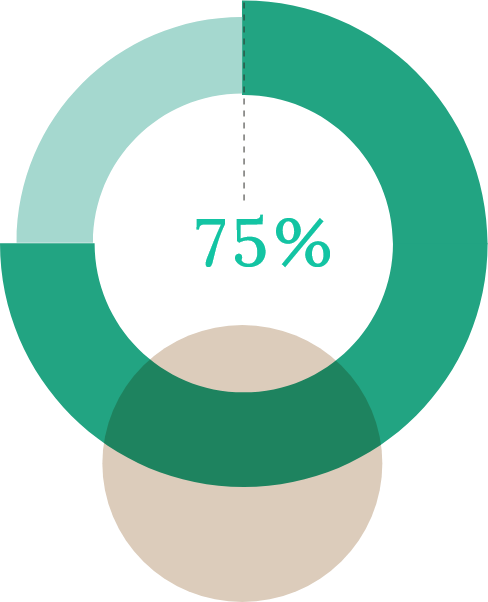
An estimated 75% of all official development assistance to the poorest countries bypasses national institutions.
Our guiding tenet, backed by evidence, is that the dramatic reduction of poverty and disease in the poorest countries is possible if the over $40 billion in annual development assistance to the poorest countries is invested in the creation of durable, high quality and effective public systems to deliver social services that reach all people.
Accountability is key. At SII, we undertake and advocate for independent, evidence-based tracking that holds bilateral and multilateral donors accountable in a way that no other platform does.
As we track humanitarian and development funding following crises, we differentiate between new and old funds, analyze disbursement rates and follow funding flows. The data we gather is fact-checked and the lens through which we view and present the data is always with the recipient government as the primary audience.
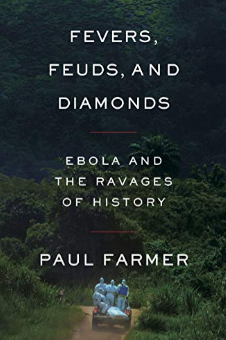
Fevers, Feuds, and Diamonds: Ebola and the Ravages of History
“We have to stop telling ourselves horror stories about an unstoppable mutant virus, because those stories often legitimate our inaction.”
Paul Farmer, Author of Fevers, Feuds, and Diamonds
Listen to Paul Farmer’s Interview on NPR